
Best Commercial Vehicle Financing Options for 2026
Compare commercial vehicle financing options for trucks and work fleets, including loans, leases, lender fit, paperwork, and equipment alternatives.
Need a truck or work vehicle without draining cash your business needs elsewhere? Commercial vehicle financing can mean a loan, a lease, or credit set aside for future fleet purchases. Here are six named options, including Dengaro for businesses financing eligible equipment such as excavators and skid steers.
Table of Contents
- Dengaro
- Commercial Vehicle Financing by Ally
- PACCAR Financial
- Crest Capital
- Chase
- Lendio
- Compare the options: rates, requirements, financing structures, and paperwork
- Frequently asked questions
- Conclusion
1\. Dengaro
Dengaro is an online equipment financing application platform for U.S. businesses seeking $15,000 to $2 million for new or used equipment. It’s a fit when your purchase is a work machine, such as an excavator or skid steer, rather than a standard road vehicle.
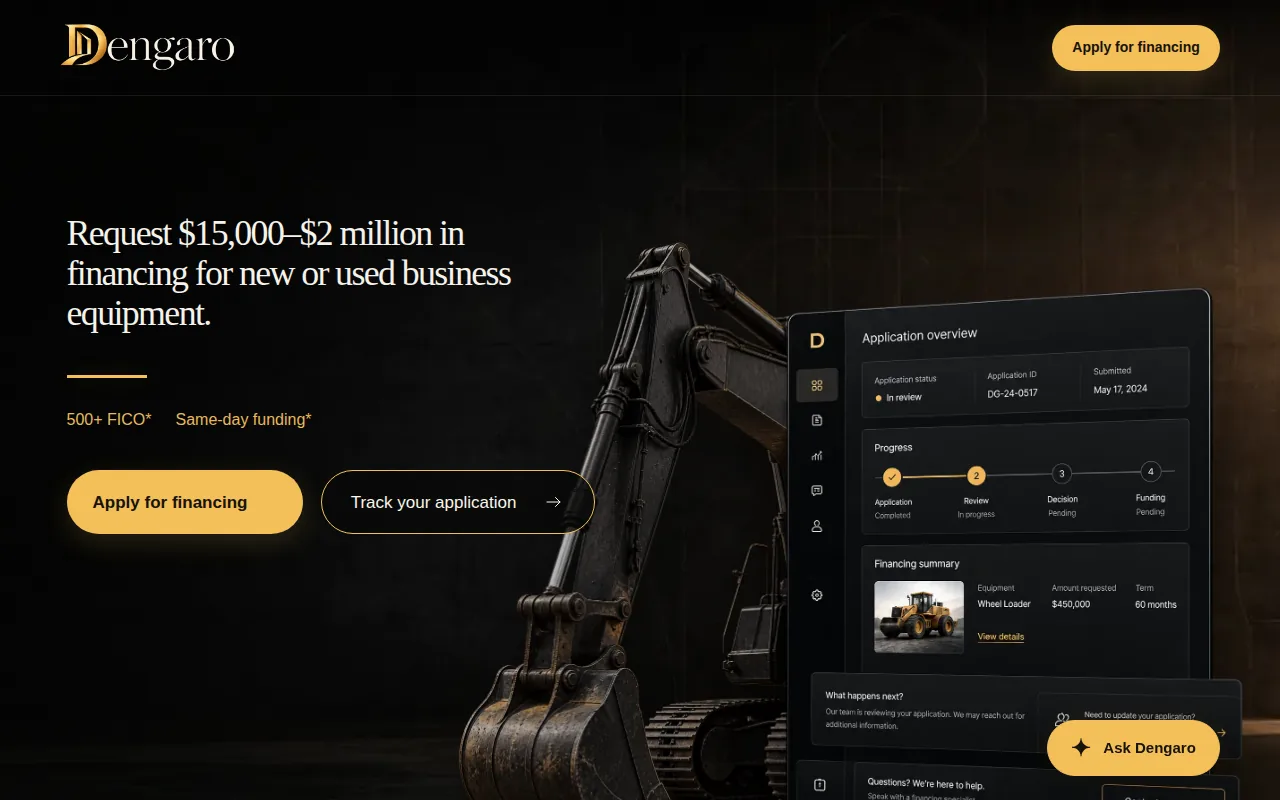
You can apply online and track your application status. Financing is subject to provider approval. If the asset you need is eligible business equipment, review Dengaro’s equipment financing options before you decide how to fund the purchase.
That distinction matters. A construction contractor buying a skid steer may be looking for equipment financing, while a business buying a pickup or medium-duty truck may need a vehicle-specific program. Match the application to the asset on the invoice.
Key Takeaway: Dengaro is a strong fit to consider when your purchase is new or used business equipment in its stated financing range.
2\. Commercial Vehicle Financing by Ally
Commercial Vehicle Financing by Ally is an option to consider when your business is evaluating financing for a vehicle. Confirm available terms and eligibility directly with the provider before deciding, since details may depend on the transaction and the vehicle you plan to finance.
When comparing vehicle financing, review the payment schedule, total cost, and any obligations that continue through the agreement. Consider how the payment amount and timing fit your expected revenue and operating expenses, while leaving room for other business costs. Look at the full agreement rather than focusing only on the monthly payment.
Before signing, check whether the arrangement fits your intended vehicle use and how it handles changes in your business needs. Ask the provider to clarify any terms you do not understand, including conditions that could affect your costs or responsibilities. Comparing offers using the same assumptions can help you assess which option fits your business.
3\. PACCAR Financial
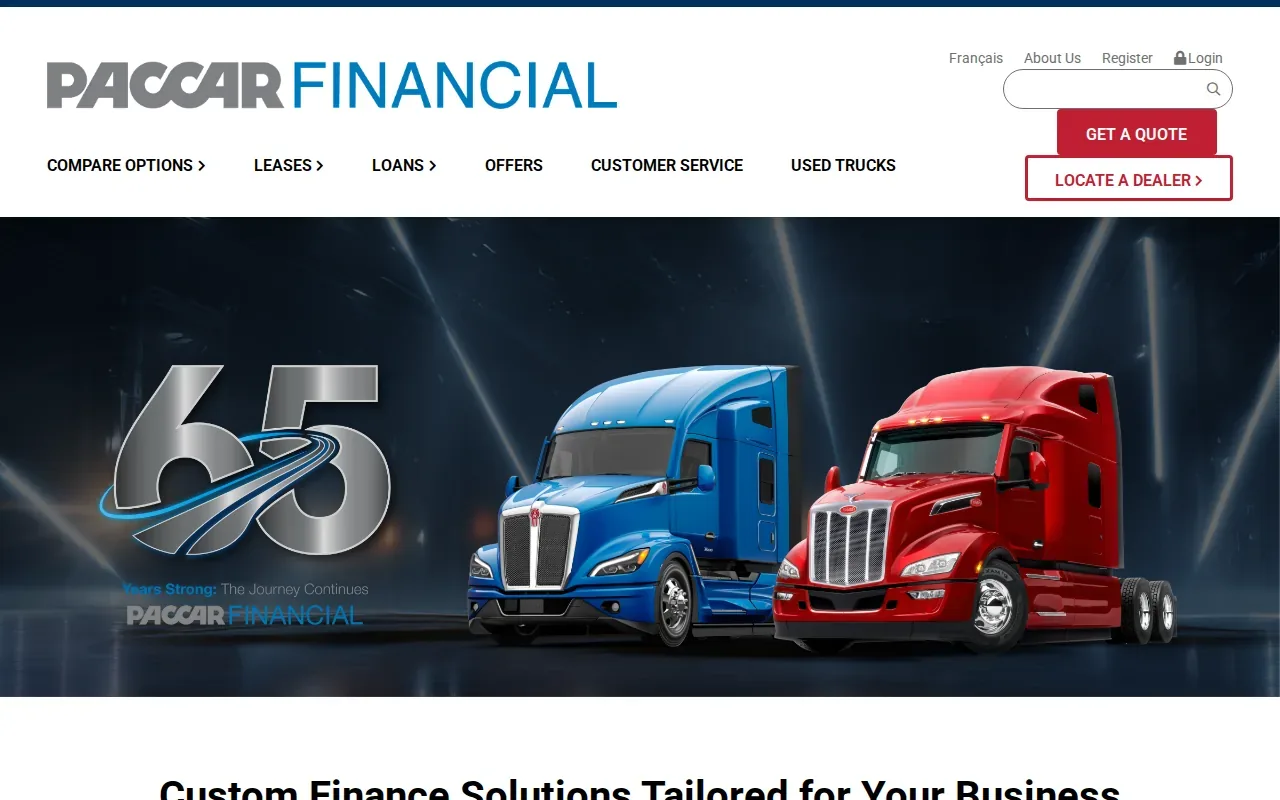
PACCAR Financial is a truck financing option to consider when you’re shopping for a commercial truck. It may belong on your shortlist if your purchase is a truck rather than a general-purpose business vehicle.
Before you compare an offer, ask for the full repayment schedule and the total amount due over the term. Also check how the financing treats the truck as collateral, whether a down payment is required, and whether the payment is fixed or can change. Those details affect how a monthly payment fits your cash flow.
Truck fit can matter as much as lender fit. A dump truck used on local construction jobs has a different work pattern from a long-haul tractor-trailer. Give the lender the exact vehicle type, age, condition, and intended use so its review reflects the asset you’re buying.
4\. Crest Capital
Crest Capital provides vehicle and equipment financing from $10,000 to $500,000. Its stated process uses one application and can provide same-day decisions. That may suit a business comparing vehicle financing with a broader equipment purchase.
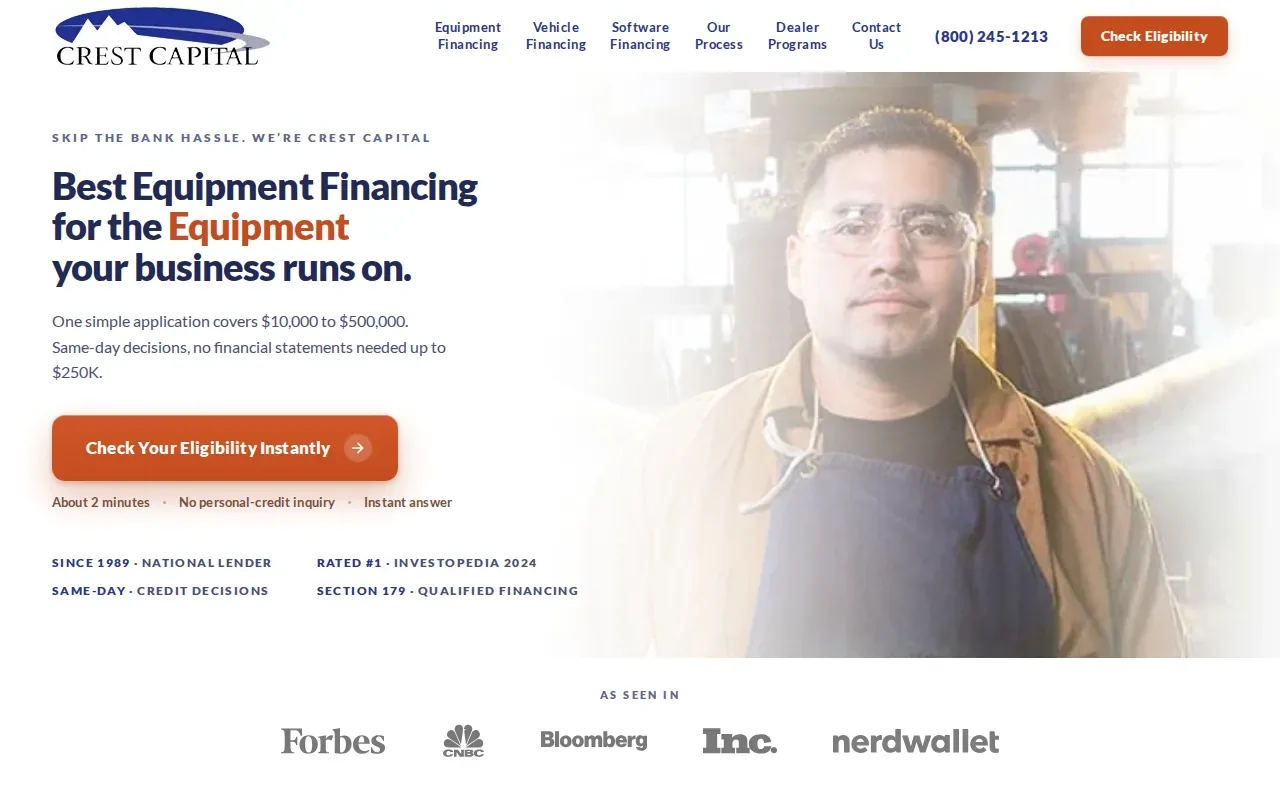
A same-day decision is not the same as guaranteed approval or same-day funding. Use the decision to learn what terms may be available, then review the offer’s payment amount and total cost. Ask how the lender will treat the vehicle or equipment as collateral, and whether the proposed term matches the asset’s useful life in your business.
One application can be useful when your project includes both a vehicle and work equipment. For example, a contractor may be buying a truck alongside an eligible attachment or machine. Confirm which items the financing covers before signing purchase documents.
5\. Chase
Chase may suit borrowers who already have a business banking relationship there. Its term loans can have repayment periods of up to seven years, which may help spread the cost of an expensive business asset across a longer period.
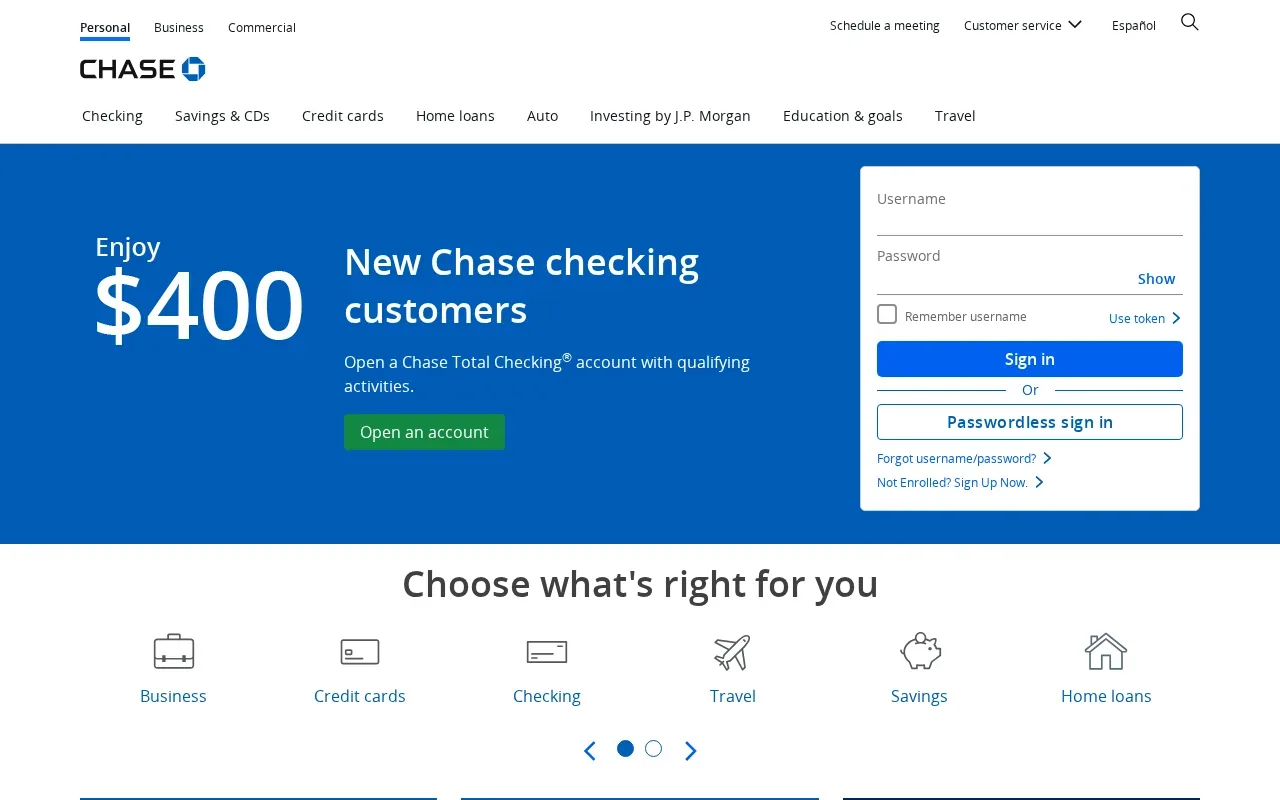
Funding can take two weeks or longer, so build that timing into the purchase plan. If a seller needs a quick close, ask about the likely timeline before committing to a delivery date or deposit.
Chase also describes business lines of credit for purchasing flexibility. A line works differently from a term loan: you draw funds as needed, then repay what you borrow under the agreement. Ask whether the product you’re considering can be used for the vehicle you plan to buy, and compare its rate structure with a fixed-payment loan.
6\. Lendio
Lendio is a marketplace for comparing business funding offers. Qualifying business owners may borrow up to $5 million, and funding can happen in as little as 24 hours. The amount and speed depend on qualification and the funding offer, so don’t treat the fastest timeline as a promise.
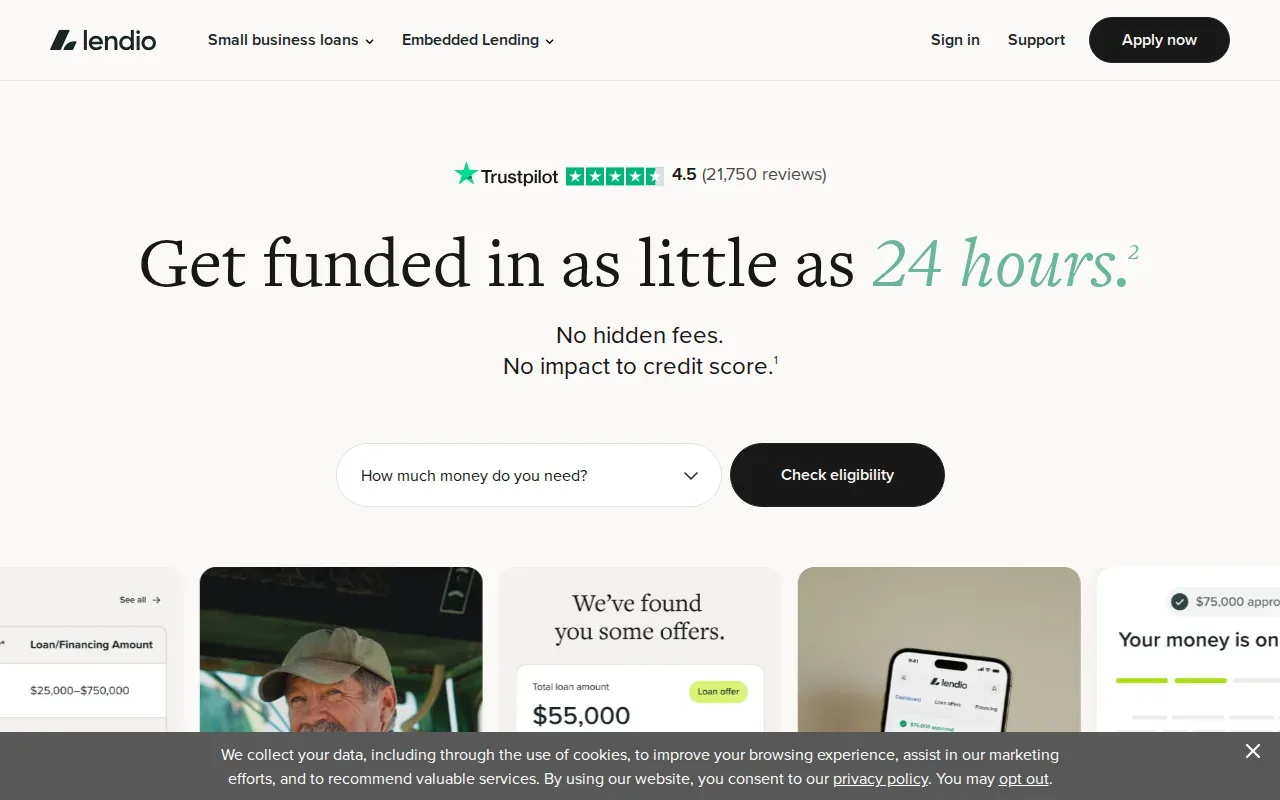
That speed may help when a vehicle purchase is time-sensitive. Still, compare the repayment term and total cost before accepting an offer. A fast funding date does not tell you whether the payment works with seasonal revenue or the other bills due that month.
Use the offer details to compare like with like. Check the annual rate, any fees, payment frequency, term, collateral requirements, and any personal guarantee. If a lender gives you a monthly rate rather than an annual percentage rate, ask for the annualized cost before comparing it with another quote.
Compare the options: rates, requirements, financing structures, and paperwork
These choices don’t all finance the same kind of asset. Dengaro focuses on eligible business equipment, while vehicle-specific programs and truck financing may fit road vehicles. Start with the item on your purchase order, then compare the structure and required documents.
Option| Structure or fit| Known amount or timing| What to confirm ---|---|---|--- Dengaro| New or used business equipment| $15,000 to $2 million| Asset eligibility and provider approval Commercial Vehicle Financing by Ally| Commercial vehicle financing| —| Vehicle age, use, residual value, mileage, and wear terms PACCAR Financial| Truck financing| —| Rate, term, down payment, collateral, and vehicle fit Crest Capital| Vehicle and equipment financing| $10,000 to $500,000; same-day decisions| Funding timing, payment, and covered assets Chase| Business term loans; line of credit may suit revolving needs| Terms up to seven years; funding may take two weeks or longer| Rate type, eligibility, and use of proceeds Lendio| Marketplace for business funding offers| Up to $5 million; funding in as little as 24 hours| Specific lender, fees, term, and payment schedule
Loan, lease, or line of credit?
A term loan gives you a set amount to repay over an agreed schedule. It may fit a one-time purchase when you want to plan around regular payments. A line of credit can suit repeat purchases, but check how draws and repayment work before treating it as a fleet budget.
A lease may offer a different balance of payment size and end-of-term responsibility. In a closed-end lease, review mileage limits and wear rules. In an open-end lease, ask how the final residual value is set and what happens if the vehicle sells for less than that value. The lease label alone doesn’t tell you who carries resale risk.
Rates, qualification, and paperwork
There isn’t enough shared rate data here to name one provider as the lowest-cost choice. Ask each lender for an annual rate, fees, payment amount, term, and total repayment. Compare fixed and variable rates separately. A variable rate can change over time, so ask what index it follows and how often the payment can adjust.
Lenders may review personal or business credit, time in business, revenue, and cash flow. A credit score is one part of a credit review, not a full picture of repayment ability. The vehicle may secure the financing, which can give the lender a claim on the asset if you default. Ask whether a personal guarantee applies and what it means for you.
Prepare the purchase invoice or vehicle details first. A lender may also ask for bank statements, tax returns, or financial statements, depending on the amount and your business profile. Give accurate information about the vehicle’s age and condition. Used or specialized vehicles can require closer review because their resale value and work use differ.
For a lease, ask your tax professional how business use affects deductions and recordkeeping. Tax treatment and depreciation rules depend on your business use and circumstances, so don’t choose a lease or purchase based only on a claimed write-off.
If your purchase is eligible equipment rather than a road vehicle, Dengaro’s online application lets you submit a request and track its status. Apply for equipment financing online when you’re ready to share the purchase details. Subject to provider approval.
Pro Tip: Before accepting a quote, write down the monthly payment, total repayment, down payment, end-of-term duties, and any personal guarantee. Then compare the same items across offers.
Frequently asked questions
What is the best way to finance a commercial vehicle?
The best fit depends on the vehicle, your cash flow, and how long you plan to use it. Compare a term loan with a lease, then consider a line of credit if you expect repeat fleet purchases. Review the full repayment cost and end-of-term obligations, not only the monthly payment.
What credit score do you need for commercial vehicle financing?
There isn’t one credit score that guarantees approval across all providers. Lenders may weigh personal credit alongside revenue, time in business, cash flow, and the vehicle’s value. Ask what information a specific lender reviews, and be ready to explain business deposits or seasonal income with supporting records.
Can a business finance a used commercial vehicle?
Yes, some financing programs cover used vehicles, but eligibility depends on the lender and vehicle. Age, condition, type, and intended use can affect the review. Share the vehicle details before you commit to a purchase, especially if it’s a specialized truck or has high mileage.
What documents do I need to apply for a business vehicle loan?
Start with the vehicle’s purchase details or invoice. A lender may also request bank statements, tax returns, and business financial statements, depending on the amount and your credit profile. Have your business details ready, then ask which documents are needed before submitting a full application.
Is leasing or buying better for a business vehicle?
Buying may suit you if you want to own the vehicle and manage its resale later. Leasing may fit a business that wants a set term, but mileage limits, wear charges, and residual value duties vary by lease type. Compare those terms with your expected use and ask a tax professional about your business situation.
Conclusion
Match the financing to the asset first. For an eligible excavator, skid steer, or other business equipment purchase, Dengaro is a focused starting point. For a road vehicle, compare the lender’s written rate, timing, and repayment terms. If you’re ready to finance equipment, apply online and track your application with Dengaro.