Equipment Financing Rates: What Businesses Pay
Understand equipment financing rates, what shapes your offer, loan terms, fees, eligibility, tax factors, and ways to compare financing for new or used equipment.
Equipment financing rates can change what a machine costs your business over time, so the monthly payment is only part of the picture. Rates depend on the deal and the business behind it. Here’s how to read an offer, compare loan terms, and prepare for financing a new or used machine.
Table of Contents
- What Equipment Financing Rates Cover and How Financing Differs From Leasing
- What Determines Your Equipment Financing Rate
- Loan Terms, Monthly Payments, Fees, and Rate Examples
- Eligibility and the Equipment Loan Application Process
- Tax Considerations and Alternatives to a Standard Equipment Loan
- Equipment Financing Rates FAQ
- Conclusion
What Equipment Financing Rates Cover and How Financing Differs From Leasing
Equipment financing is a loan used to buy business equipment. The lender provides funds for the purchase, and your business repays the loan over an agreed term. The equipment often secures the loan. Once you’ve made all required payments, your business owns it.
With a lease, you pay to use equipment for a set period. At the end, the agreement may let you return it, buy it, or renew the lease. The exact choice depends on the lease contract. Financing tends to suit a business that wants to keep a machine for years. Leasing may fit when you expect to replace equipment often or want an end-of-term choice.
A loan’s rate is the cost of borrowing, but it doesn’t tell you the full cost by itself. Check the payment schedule, fees, down payment, and any final balloon payment. For a broader look at the product, see Dengaro’s equipment financing details.
Financing can help keep cash available for payroll or materials while you put an excavator or skid steer to work. But borrowing still adds a fixed bill. Make sure expected job income can cover that bill through slow periods, too.
What Determines Your Equipment Financing Rate
Your offer reflects the risk and terms of the specific loan. A credit score is one factor, but lenders may also weigh business cash flow, time in business, the equipment’s value, and the size of your down payment. Strong cash flow can help show that the business can meet payments. A larger down payment can reduce how much you need to borrow.
Loan length matters. A longer term can lower each monthly payment, but it may increase the total interest paid. A shorter term can cost more each month, even if you pay less interest over the life of the loan. Compare the total repayment amount along with the monthly figure.
Equipment details matter, too. A lender may look at the machine’s age, condition, price, and resale value. For used equipment, keep the seller’s quote and machine details handy. A machine with clear purchase records and a price that fits its condition may be easier to assess than one with gaps in its history.
Lender type can shape the offer and the process. Banks may have set lending rules. Online lenders or marketplaces may use different review steps. Published examples show how varied pricing can be: Fundible cites a monthly rate, Kapitus cites an annual rate, and Lendio describes Prime-linked pricing. Monthly and annual rates aren’t directly comparable, so don’t judge them as if they use the same measure.
Credit-score rules also vary. Published minimums include 500 for Fundible and 570 for Fora Financial. Those figures describe those providers’ stated criteria, not a guarantee of approval or a standard across the market. Lenders can weigh other parts of your application.
Key Takeaway: Compare offers using the same loan amount and term, then check the total cost and payment schedule.
Loan Terms, Monthly Payments, Fees, and Rate Examples
A term sets how long you have to repay the loan. Disclosed examples range from an 18-month maximum at Fora Financial to a 300-month maximum at Kapitus. Those are provider-specific limits, not a promise that your equipment loan will use either term. The right length depends on the machine’s useful life and your cash flow.
For a simple principal-only example, equal monthly payments would cover an equal share of the loan before interest and fees. A real payment also reflects the rate and repayment structure. Use a loan calculator to test different amounts and terms, then compare its estimate with the lender’s written schedule.
Check whether payments are fixed or change over time. Ask if the contract includes a balloon payment, which is a larger amount due at the end. Also review any origination or documentation fees, prepayment terms, and insurance requirements. These costs may apply under some agreements, so confirm them in your own offer rather than assuming they’re included in the rate.
Rates quoted in different formats need care. Fundible cites a 0.75% monthly rate, while Kapitus cites a 7.50% annual rate. Lendio uses Prime-linked pricing. A monthly rate is not the same as an annual rate, and a Prime-linked offer can change with its stated terms. A bank’s equipment financing page is one place to review product-specific information. Compare each offer’s APR, fees, term, and total repayment cost when those figures are provided.
That comparison is more useful than choosing the lowest number on a rate sheet. The payment must fit the months when your business earns less, not only the busiest part of the year.
Eligibility and the Equipment Loan Application Process
Eligibility depends on the lender and the details of your business. A lender may review your FICO score, time in business, revenue, cash flow, and the equipment you plan to buy. The machine can act as collateral, but that doesn’t remove the need to show that your business can repay the loan.
Before applying, gather the machine’s invoice or quote and the seller’s details. You may also be asked for business bank statements and information about the company’s ownership, revenue, or time in business. For used equipment, include the make, model, age, condition, and purchase price when you have them. Clear records can help the lender assess the machine and the request.
Next, submit the application and respond to any follow-up requests. Read the offer before accepting it. Check the amount financed, payment dates, rate, fees, collateral terms, and any final payment. Approval and funding depend on the provider’s review, so don’t plan a purchase around an assumed approval date.
Dengaro lets U.S. businesses request $15,000 to $2 million for new or used business equipment through an online application. Applicants can track their application status. Financing is subject to provider approval. If you’re buying a used machine, review the used equipment financing information as you gather purchase details.
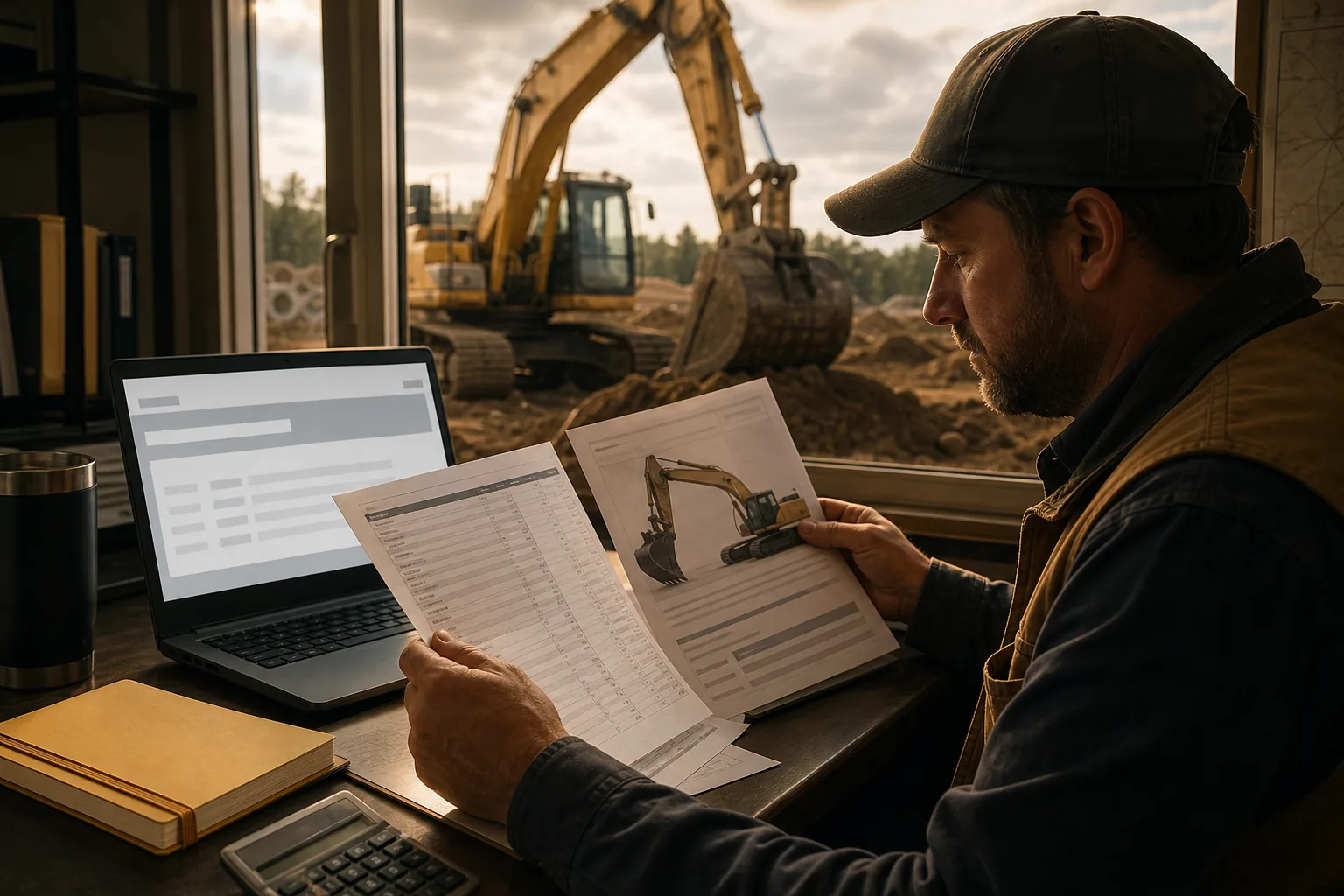
Pro Tip: Ask for the full payment schedule and total repayment amount before you compare offers. A low monthly payment can hide a longer term or a large final payment.
Next step: Ready to move your equipment request forward? Apply for financing with Dengaro and track your application status online.
Tax Considerations and Alternatives to a Standard Equipment Loan
Buying or financing equipment may qualify your business for tax deductions, but the rules depend on the asset, how it’s used, and when it’s placed in service. Section 179 and bonus depreciation may apply to eligible equipment. The rules and limits can change, so don’t assume that a financed purchase gets the same tax treatment in every case.
Use tax guidance as a starting point, not tax advice for your business. Ask a tax professional to check current federal rules and how they apply to your records before you count a deduction in your cash plan.
Leasing is one alternative when ownership isn’t your main goal. A sale-leaseback may also be worth discussing if your business owns equipment and wants to explore a different way to fund operations. Its terms and costs depend on the agreement. Compare those terms with a new loan, and consider how each choice affects equipment ownership and future cash flow.
Taxes shouldn’t decide the deal on their own. A deduction doesn’t erase the loan payment, and a lower payment doesn’t always mean a lower total cost.
Equipment Financing Rates FAQ
What are typical equipment financing rates?
There isn’t one typical rate that fits every equipment loan. The offer can depend on your credit, cash flow, down payment, loan term, lender, and the equipment itself. Published examples also use different rate formats, such as monthly pricing or annual pricing. Compare APR and total repayment cost when available, rather than comparing unlike figures.
Can I finance used construction equipment?
Yes, used business equipment may be eligible for financing, subject to the provider’s approval. The lender may review the machine’s age, condition, price, and resale value. Have the seller’s details and a purchase quote ready. Dengaro accepts financing requests for new or used business equipment, including requests from $15,000 to $2 million.
Does equipment financing require a down payment?
It depends on the lender, the equipment, and your application. A down payment can reduce the amount you borrow, which may change your monthly payment. Ask whether the offer requires one and confirm the amount in writing. Don’t assume that a financing ad or another business’s approval terms will apply to your request.
What documents do I need to apply for an equipment loan?
Start with an equipment invoice or quote and the seller’s information. Lenders may also ask for business bank statements and details about your company’s revenue, ownership, or time in business. Used-equipment requests may need machine details, too. The exact list varies, so check the application requirements and provide any follow-up records the lender requests.
Is leasing cheaper than equipment financing?
Not always. Leasing may have lower monthly payments in some agreements, but you may not own the machine at the end. A loan can lead to ownership after repayment, but its payments and total cost depend on the rate and term. Compare the full agreement, including fees and end-of-term choices, against how long you plan to use the equipment.
Conclusion
Compare the full repayment cost, not only the rate or monthly payment, and make sure the schedule fits your business cash flow. When you’re ready to finance a new or used machine, submit an online request through Dengaro and track its status while the provider reviews it.