
Veterinary equipment financing: purchase planning, costs and requirements
Veterinary equipment financing works best when the practice separates its equipment purchase from the wider cost of opening or expanding the clinic.
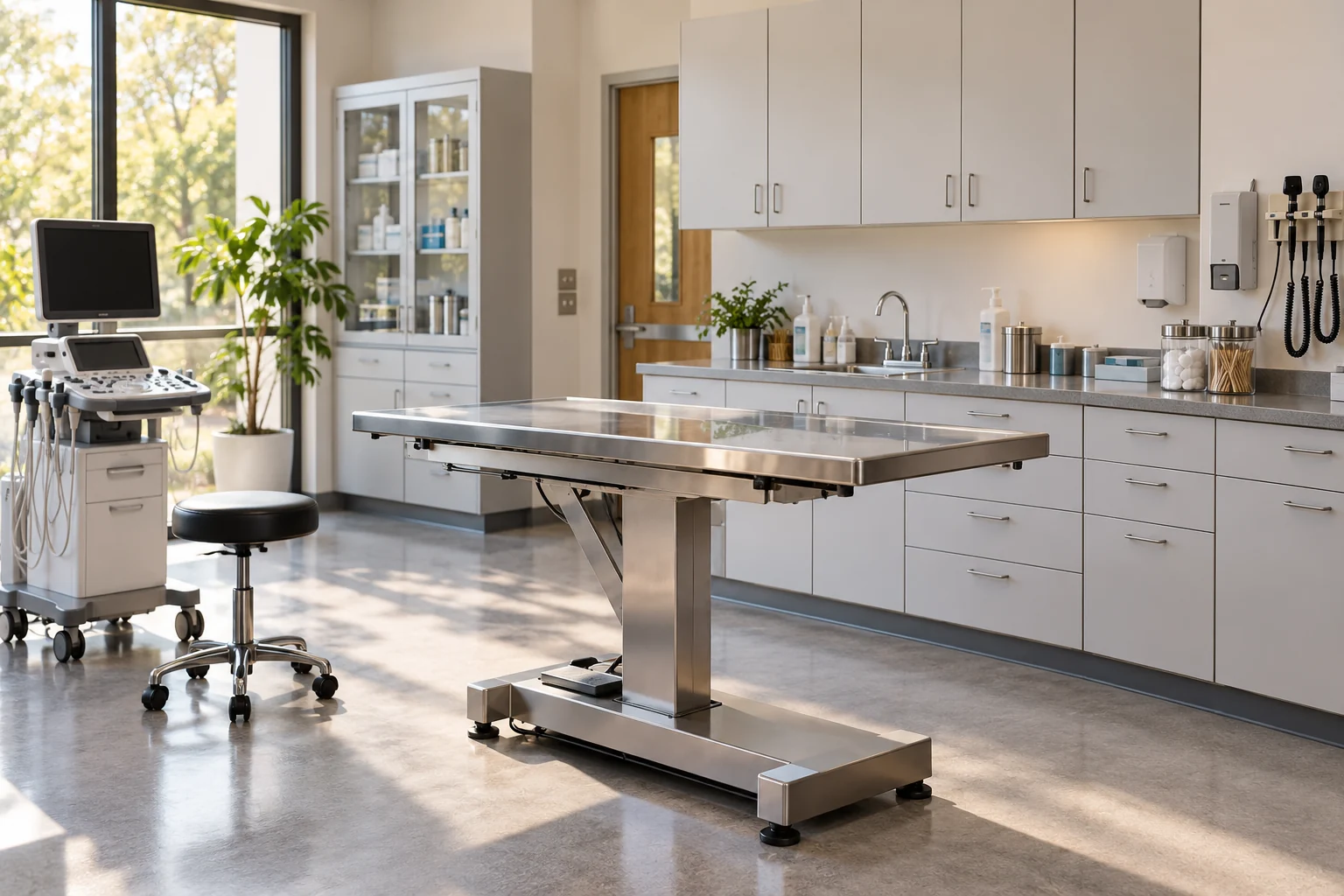
Veterinary equipment financing works best when the practice separates its equipment purchase from the wider cost of opening or expanding the clinic. Imaging, surgery-suite and laboratory equipment should appear as identifiable assets, while installation, software, training, room changes and ongoing supplies remain visible as separate costs.
That structure helps you compare funding proposals without losing track of what the practice still needs to pay. It also keeps the clinical equipment decision where it belongs: with qualified veterinary professionals, not with a financing approval.
This is a purchasing and budget guide, not advice about diagnosis, treatment or how to operate veterinary equipment.
Map the expansion room by room
Instead of requesting financing for a vague “clinic upgrade,” prepare an equipment schedule tied to the rooms or functions involved. Each line should have a vendor, model, quantity, condition and quoted price.
Patterson's veterinary equipment page separates areas such as imaging, the exam room, laboratory and surgery suite. It also identifies training, maintenance and financing support. That is a useful reminder to request the full commercial scope, rather than assume those services are included with every device. Patterson veterinary equipment.
Use a table like this to organize your own quotes:
| Area | Purchase information | Separate costs to resolve |
|---|---|---|
| Imaging | Specific system and included components | Installation, software, room work and support |
| Laboratory | Instrument models and required accessories | Service coverage, consumables and recurring agreements |
| Surgery suite | Itemized equipment selected by clinical staff | Setup, training and facility coordination |
| Exam rooms | Tables, scales or other specified assets | Delivery, assembly and any room modifications |
| Practice technology | Hardware and license details | Data migration, recurring fees and support |
The table does not recommend a clinical configuration. Its purpose is to make the approved purchase understandable to the supplier, practice manager and financing provider.
Identify the total project before discussing payments
An equipment invoice and an expansion budget are rarely interchangeable. Keep a separate project worksheet so a financing proposal cannot hide a cash shortfall.
Consider this fictional clinic expansion, not a market-price estimate:
| Cost category | Illustrative amount |
|---|---|
| Imaging equipment package | $70,000 |
| Surgery-suite equipment | $30,000 |
| Laboratory equipment | $20,000 |
| Delivery, installation and training | $8,000 |
| Room modifications | $12,000 |
| Total project | $140,000 |
If a provider agrees to fund $120,000, the practice still needs $20,000 from another source. That difference may reflect excluded work rather than a percentage down-payment policy. Ask the provider to identify precisely what is funded.
The example also leaves out ongoing payroll, rent, supplies and a reserve for delays. Do not treat the project total as the amount of cash required to run the practice. Make a separate operating-cash plan with the people who manage the clinic's finances.
Ask whether the proposal covers the whole package
A vendor may offer financing on selected equipment while other items require different terms. Confirm eligibility by line item, especially when an order combines different manufacturers, used equipment and services.
Do not apply an advertised promotional rate to an entire clinic quote without checking its exclusions and dates. Patterson's financing page, for example, includes conditions and approval requirements; retrieved versions can reflect different promotion periods. Request the current written terms directly rather than budgeting from an old page or search result. Patterson financing information.
For each proposal, ask:
- Which equipment and service lines are included?
- Are there separate contracts for different parts of the order?
- What amount is due before delivery?
- When does each payment obligation begin?
- What fees or end-of-term amounts are outside the regular payment?
- What happens if part of the order is delayed or cancelled?
A single monthly number is not enough to answer those questions. Compare proposals using the same itemized purchase, contract term and intended ownership outcome.
Coordinate delivery with the clinic's readiness
Equipment arriving on time does not necessarily mean the practice is ready to accept it. A room may still need work, the installer may have a different schedule, or the software setup may be incomplete.
Create a milestone sheet with an owner for each step: facility readiness, delivery, installation, staff training, qualified acceptance and finance commencement. Ask the supplier to confirm what it needs before sending the equipment. Ask the provider what event starts billing.
Midmark's animal-health site identifies delivery, installation and coordination services alongside its equipment categories. Whether you use that supplier or another one, get the actual responsibilities and charges written into your project. Midmark animal health.
Keep clinical acceptance separate from financial paperwork. Signing a delivery receipt should not be confused with a professional judgment that a system is suitable for the practice's intended work. Resolve the contractual meaning of each acceptance step before signing documents.
Treat used equipment as a different purchasing file
A used unit should come with more than a model name and a lower price. Request its serial number, condition description, service history, included accessories, software rights and support options.
Have qualified personnel assess suitability and condition. Ask the seller whether installation and training are included, available at additional cost or unavailable. Obtain the warranty terms for that exact unit rather than assuming the manufacturer's new-equipment coverage applies.
Then ask the financing provider whether it supports the age, condition and seller involved. A practice should not pay a nonrefundable deposit based on an assumption that all veterinary equipment qualifies under the same program.
Avoid counting new revenue before it exists
An expansion budget often includes hoped-for revenue from new services. Keep that forecast separate from the payment obligation, which can begin before demand is established.
Use existing appointment and financial records to build a cautious business forecast with your advisers. Identify which assumptions are confirmed and which depend on new clients, staffing or scheduling changes. This guide does not estimate treatment revenue or promise that a machine will pay for itself.
A useful stress check is simple: if the project opens later than planned, what cash covers payments and operating costs during the delay? The purpose is not to discourage investment. It is to avoid using the most optimistic opening date as the only workable plan.
Questions practice owners ask
Can one financing request include several clinic departments?
It may be possible, but the provider must review the actual equipment, sellers and transaction. Keep the assets itemized and ask whether separate contracts or funding arrangements are needed.
Does a vendor financing offer cover advanced imaging automatically?
No. Eligibility and exclusions vary. Obtain current terms for the exact equipment rather than extending a promotion from another product category.
Does financing approval mean the practice can use the equipment clinically?
No. Financing is not a professional authorization or clinical suitability review. Those decisions remain separate.
Prepare the next step around the quote
Once your clinical team and suppliers have defined the purchase, review Dengaro's equipment financing requirements. Confirm that the equipment, used condition where relevant, seller and requested costs are supported. Approval and terms depend on provider review; no category label guarantees funding.